Hair Care Trends: Why Curly and Coily Hair Needs Its Own Formulation Approach
Factosquare specializes in both small- and large-batch cosmetic manufacturing. We often receive questions from clients planning hair care products for curly and coily hair. This article explains what makes textured hair different and which formulation approaches are gaining ground, from a practical perspective.
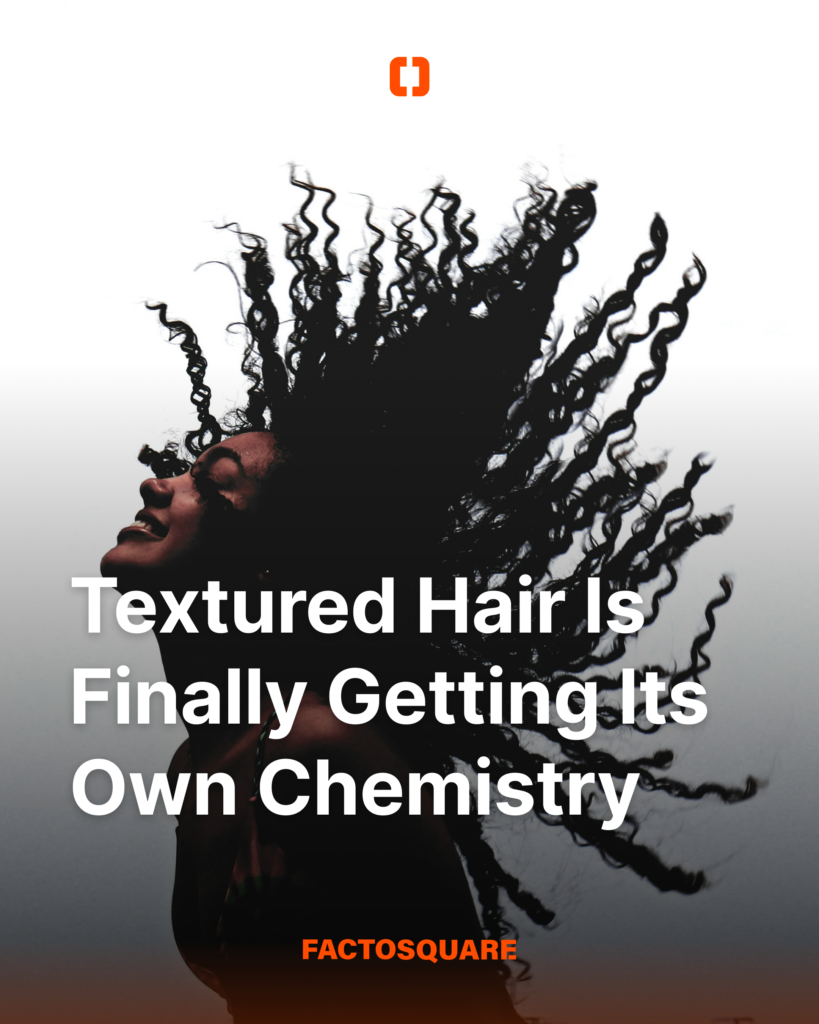
For years, textured hair was served by products originally built for straight hair. Many of these formulas relied on heavy oils and silicones for smoothness and shine, which could leave buildup and make wash day longer.
Consumers with curly and coily hair have become more ingredient-aware, and many now look for sulfate-free or silicone-free products that still perform. Brands are responding by designing formulas for textured hair from the start instead of adapting existing ones.
🔬 Why Textured Hair Behaves Differently
Curly and coily strands tend to have a more elliptical shape and many bends along the shaft. Natural oils from the scalp travel down these strands less easily, so textured hair is generally prone to dryness and frizz. The bends also make tangling more likely. A formula designed for straight hair does not always account for these traits.
💧 Wetting Agents and Shorter Wash Days
Biodegradable wetting agents are getting a lot of attention in this category. They help water spread more evenly through dense curls, which may improve detangling and shorten rinse time. Because they work by changing how water moves through the hair, they can reduce the need for silicones or heavy oils. Brands can then offer a clean positioning without giving up the slip consumers expect.
🧪 Ingredients Built for Practical Formulation
Some newer actives for textured hair are designed with manufacturing in mind. Low use levels help keep ingredient costs under control, and powder formats can simplify handling during production. Powder actives also make it easier to reach a high natural-origin content, which matters for clean beauty positioning.
📊 Testing That Backs Up the Claims
Consumers can see frizz and curl definition for themselves, so these claims need to hold up. Clinical and consumer testing can measure improvements in frizz control and curl definition, and some studies also track shine over time. Test results make label and marketing claims more credible. Claim wording and evidence requirements differ by market, so testing is best planned with target regions in mind.
❓ Q. Can a silicone-free formula perform as well as one with silicones?
It can, if the formula is built for it. Silicones provide slip and shine, so removing them means those functions have to come from other ingredients, such as wetting agents or conditioning polymers. Performance depends on how these are balanced and should be confirmed through application testing on actual curly and coily hair. “Free-from” claims are also regulated in some markets, including the EU, so the wording should be reviewed before launch.
📌 Tips for Product Planning
1. Define the hair type early.
Wavy, curly, and coily hair have different needs. Choosing your target shapes both the actives and the product texture.

2. Plan claims before formulating.
If you want to say "reduces frizz" or "defines curls," build testing into the development schedule and budget from day one.

3. Check what "free-from" means for your market.
Sulfate-free and silicone-free promises must be accurate across the full ingredient list, and some regions regulate how those claims are presented.
Textured hair care is moving away from borrowed formulas toward products designed around how curly and coily hair actually behaves. Wetting agents and efficient actives are making clean positioning easier to achieve, and testing gives brands a way to prove the results.
Getting there still depends on formulation detail. The use level of each active matters, and so does keeping the formula stable once silicones are removed. Factosquare supports brands from formulation and testing through to production. If you are planning a product for textured hair, contact our team to talk through your concept. 📩
 채팅 상담
채팅 상담
 WhatsApp
 방문 상담
방문 상담